3 July 2026 · Turchina Group · 9 min read
Inflated Property Valuations in Turkey: How Chinese Investors Avoid Overpaying (2026 Guide)
Inflated property valuations in Turkey are the trap Chinese investors hit most often. This guide covers SPK-licensed appraisals, why citizenship deals carry the highest risk, and the due diligence that prevents overpaying.
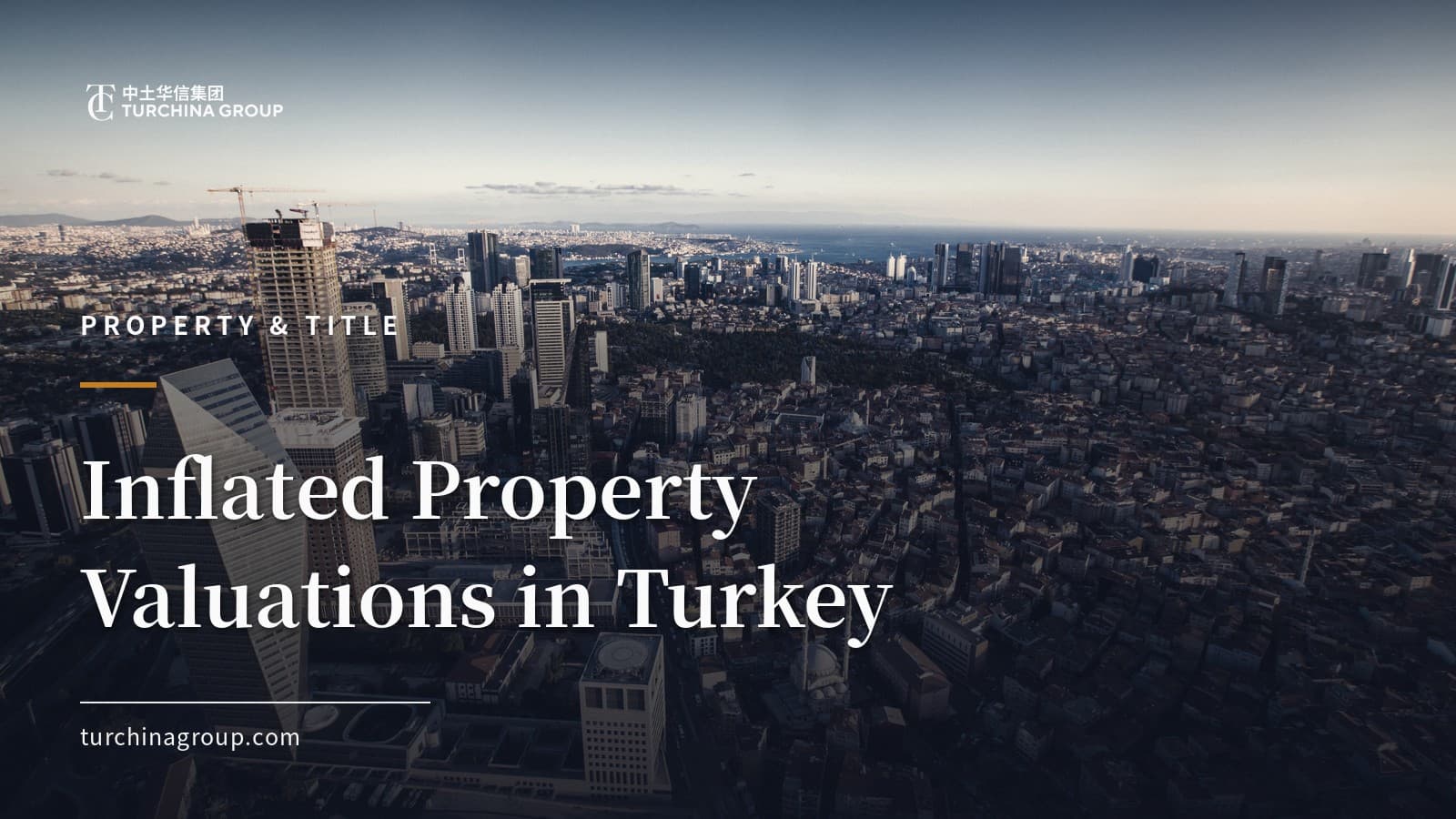
When Chinese investors lose money buying property in Turkey, the culprit is usually not the headline price but an artificially inflated valuation behind it. To avoid inflated property valuations in Turkey, insist on an independent appraisal from a firm licensed by the Capital Markets Board (SPK), then cross-check three numbers: the developer's quote, the SPK valuation, and the official figures in the Land Registry (Tapu / TAKBIS) system. If any one sits well above the others, stop and find out why. As of this writing (July 2026), the citizenship-by-investment threshold and currency conversion rules are still being adjusted, so please confirm the figures below with an advisor for the current position.
Key Takeaways
- As of this writing (July 2026), Turkish citizenship by investment requires an official property valuation of roughly USD 400,000 or more, a threshold set by Turkish citizenship regulations and evidenced by an SPK-licensed valuation report.
- The valuation report must come from an appraisal firm authorised by the Capital Markets Board (SPK); an "assessment" produced by the developer or agent carries no official weight.
- The dollar figure is usually converted at the Central Bank of Turkey (TCMB) daily rate, so the same property's USD valuation moves with the exchange rate, and that is a common entry point for inflation.
- A practical warning sign is a developer quote that sits noticeably above recent Tapu sale prices for comparable units in the same complex; ask for an explanation and commission an independent review.
- The direct consequence of an inflated valuation is that you overpay against the market, may struggle to recover the gap on resale, and can have a citizenship application returned if the valuation is judged unrealistic.
What Are Inflated Property Valuations in Turkey?
An inflated valuation is an appraisal or transaction price pushed artificially above a property's real market value. Chinese buyers run into it more than most because they are usually still in China, viewing units by video, working across a language barrier, and unable to check local Turkish sale prices for themselves. That leaves them relying on numbers the developer or agent chooses to share. The cross-border information gap is itself the breeding ground for a premium.
In the citizenship scenario the problem is amplified. As of this writing, the investment threshold is around USD 400,000, and to make a property that is genuinely worth less "clear the bar", some developers push the quote right up to the threshold and pair it with a report that looks official. The more urgently a buyer wants the passport, the easier it is to stop questioning the price. Our Mandarin-speaking team in Istanbul has seen quotes sitting twenty to thirty percent above the real local market.
Who Decides an Official Turkish Property Valuation?
An appraisal firm authorised by the Capital Markets Board (SPK), not the developer, agent, or buyer, decides the official valuation of a Turkish property. As of this writing (July 2026), any property transaction tied to citizenship by investment must include an SPK-licensed valuation report. The report states an assessed value in Turkish lira and then converts it to US dollars at the Central Bank of Turkey (TCMB) daily exchange rate.
The point of this mechanism is that it gives you a relatively objective third-party benchmark. The catch is who appoints the appraiser. If the firm is introduced and paid by the developer, its independence is compromised. For larger transactions we suggest that, alongside the report the authorities require, you commission a second SPK-licensed appraiser chosen by your side to cross-check the figure, and dig into any large gap between the two reports.
Why Do Inflated Property Valuations in Turkey Cluster Around Citizenship Deals?
The risk of inflated property valuations in Turkey concentrates in citizenship transactions because those deals set a hard threshold, and that threshold pulls pricing toward it. As of this writing (July 2026), buying property to apply for Turkish citizenship generally requires an official valuation of roughly USD 400,000 or more, a figure set by Turkish citizenship regulations, plus a commitment not to resell for three years registered on the Tapu title deed.
When a property is really worth, say, USD 300,000 at current market rates and the buyer still has to "clear the bar", the incentive to write the valuation upward appears. On the surface you have a compliant application; in reality the extra money buys a number, not more apartment. For the full compliant route to a passport through property, see our Turkish citizenship by investment service; the key is a valuation that is genuine and survives a second review, not one that merely "looks like it qualifies".
How Do You Spot Inflated Property Valuations in Turkey?
Placing the quote next to several independent sources and comparing is the most reliable way to judge whether a Turkish valuation is inflated. A single document rarely reveals the problem; side by side, the anomaly tends to surface. A few signals deserve attention.
The quote diverges from comparable sale prices
If the developer's quote sits clearly above recent real sale prices for comparable units in the same complex, that is the most direct warning. The Land Registry (Tapu / TAKBIS) system records official transfer prices, and a professional advisor can pull comparable transactions nearby as a reference.
They will only accept their "own" valuation report
If the other side insists on using only an appraiser they nominate and refuses to let the buyer commission a separate SPK-licensed review, independence is in doubt. A clean deal does not fear a second report.
The gap is filled with "free appliances, furniture, or a rental guarantee"
When a premium is dressed up as gifts or a guaranteed rental return, it often means the net property price has already been lifted. A rental guarantee is not risk-free either; whether it is honoured depends on the developer's own financial health.
What Due Diligence Prevents Inflated Property Valuations in Turkey?
Completing independent due diligence before you pay, rather than patching it in after you sign, is how you avoid an inflated valuation. Below is the sequence we run for Chinese clients in Istanbul, offered as a reference.
- Set the market baseline first. Use the Tapu / TAKBIS system and local transaction data to establish the real price range for comparable units in the target complex, then judge whether the quote is reasonable.
- Commission an independent SPK-licensed appraisal. Have an appraiser chosen by your side produce a report, and where needed run it in parallel with the report the authorities require.
- Check title and restrictions. Confirm the Tapu title is clean, free of mortgage or seizure, and check whether a three-year citizenship resale restriction is already registered.
- Break down the total price. Separate the net property price, taxes and fees, gifts, and any rental promise, so you see exactly how much you are paying for the apartment itself.
- Lock the currency conversion basis. Pin down which day's TCMB rate is used for the dollar conversion, so timing does not quietly shrink the value or nudge it over the bar.
This process runs through our Turkey real estate service: we take no developer commissions, so we have no incentive to write a price upward, and we account for every valuation, tax, and risk in writing.
What Happens If You Buy at an Inflated Valuation?
The most concrete consequence of an inflated valuation is that you acquire the property above market and may be unable to recover the gap when you resell. Turkish property is priced in lira, and with exchange-rate movement added, as of this writing (July 2026) breaking even on a short-term resale is already hard; an inflated premium on top makes the risk worse. In the citizenship scenario, a valuation that is clearly unrealistic can also lead to the application being returned by the authorities, with a request for further documents or even a fresh appraisal.
The room to fix this is usually before you sign, not after, because once a deposit is paid your negotiating leverage shrinks considerably. If you are unsure about a quote or a report in front of you, have an independent party review it before you decide. Even if you still choose to buy, at least you are deciding with the real price in view.
Frequently Asked Questions
What is the property valuation threshold for Turkish citizenship by investment?
As of this writing (July 2026), buying property to apply for Turkish citizenship generally requires an official valuation of roughly USD 400,000 or more. This threshold is set by Turkish citizenship regulations, is evidenced by an SPK-licensed valuation report, and carries a commitment not to resell for three years. Policies and figures can change, so confirm the current position with an advisor.
Who is qualified to issue an official valuation of a Turkish property?
Only a report from an appraisal firm authorised by the Capital Markets Board (SPK) carries official weight. An "assessment" prepared by the developer, agent, or buyer cannot replace it. For a citizenship transaction, this report is one of the required documents.
The developer's quote looks reasonable, so do I still need a separate valuation?
Yes, especially for a large or citizenship-related transaction, because an independent valuation is your only relatively objective price benchmark. A quote that "looks reasonable" is often exactly the effect an inflated valuation is designed to create; only next to an SPK-licensed appraisal and Tapu sale data can you see whether it has drifted.
Is a property valuation calculated in dollars or lira?
A Turkish valuation report is stated in Turkish lira and then converted to US dollars at the Central Bank of Turkey (TCMB) daily exchange rate. Because of this, the dollar valuation moves with the exchange rate, and whether a citizenship purchase "clears the bar" can depend on the conversion timing, so confirm the basis in advance.
Are a "rental guarantee" and "free furniture and appliances" signs of an inflated valuation?
They often are. When a premium is packaged as a rental promise or assorted gifts, it usually means the net property price has been lifted and the gifts are filling the gap. Whether a rental guarantee is honoured depends on the developer's future financial health, so it is not a risk-free promise.
I am in China, so how do I verify real Turkish property prices?
You can appoint an independent local advisor to pull official same-area transaction data from the Land Registry (Tapu / TAKBIS) system and commission a separate SPK-licensed appraisal for a second opinion. The cross-border information gap is the main source of a premium, so judging from third-party data rather than the seller's figures is the most practical self-protection when buying remotely.
If I have already paid a deposit and then find the valuation is inflated, is there anything I can do?
The room to act is usually greater before you sign, and once a deposit is paid your negotiating leverage clearly shrinks. At that point, have an independent party review the contract and valuation and assess whether cancelling, renegotiating, or restructuring is feasible, which depends on the terms you signed and on local Turkish law, so consult a professional advisor as early as possible.
Conclusion
Avoiding inflated property valuations in Turkey comes down to information parity: insist on an independent SPK-licensed appraisal, cross-check the official Tapu and TCMB figures, and break the total price into its parts. Do this, and you will know the real number before you pay rather than after. Our Mandarin-speaking team in Istanbul is independent and transparent and takes no developer commissions. We are glad to walk you through every figure and risk before you decide. For a free consultation in Mandarin or English on your specific property or citizenship plan, please contact us.
Disclaimer: This article is for general informational purposes only and does not constitute legal, tax, immigration, or investment advice. Policies and figures change; please confirm the current details and your personal eligibility with a qualified advisor before acting.