16 July 2026 · Turchina Group · 9 min read
Turkish Property Valuation Report: How to Read Your Ekspertiz 2026
A Turkish property valuation report (Ekspertiz) is an SPK-licensed appraisal required for foreign title transfers and citizenship by investment. Learn to read every section, from title status to final value.
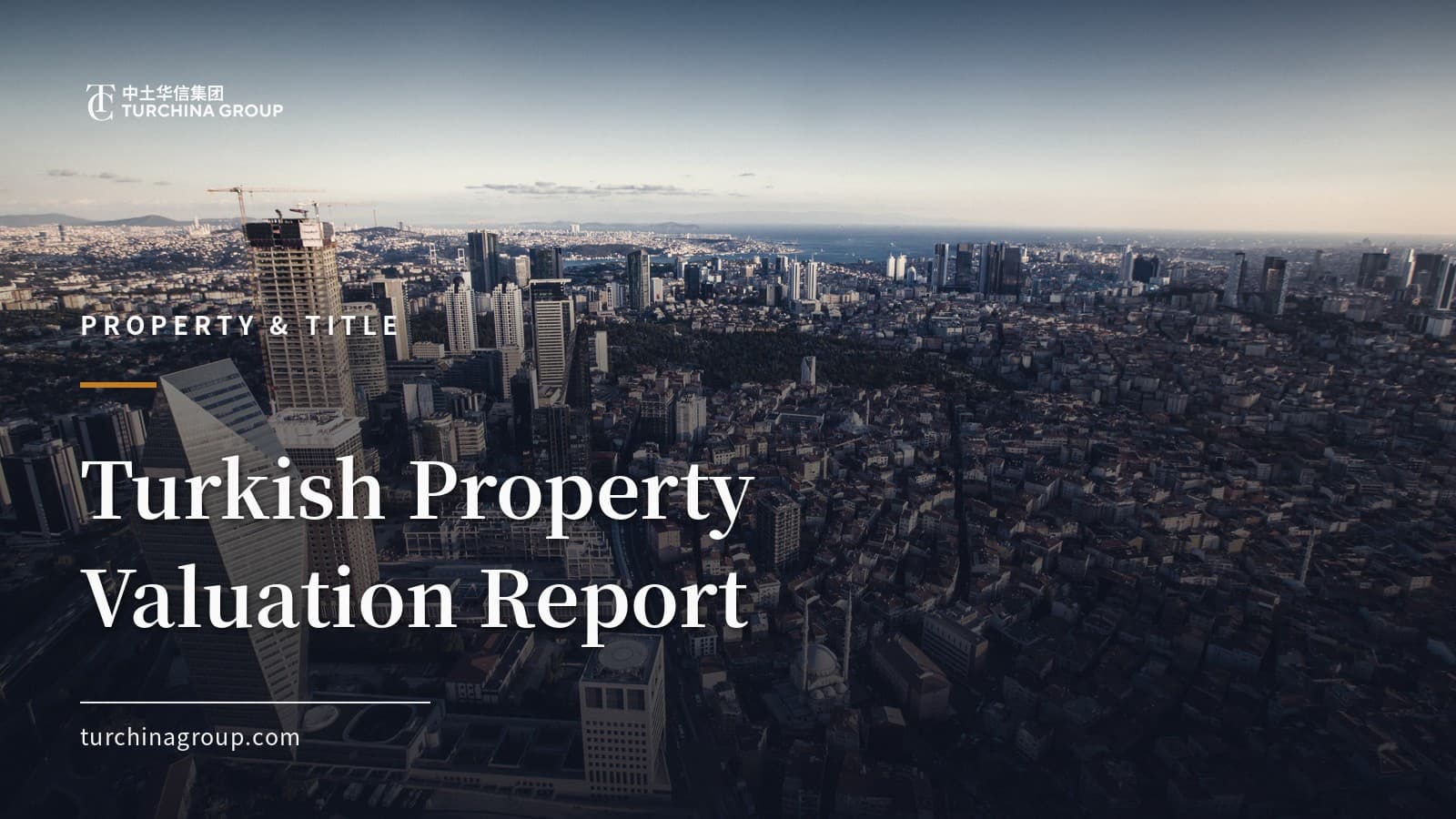
Before you complete a property purchase in Turkey, you will receive a Turkish property valuation report (in Turkish, Ekspertiz or Taşınmaz Değerleme Raporu). In plain terms, it is an independent appraisal produced by a firm licensed by the Capital Markets Board (SPK), and since 2019 it has been required whenever a foreign buyer transfers title or applies for citizenship by investment. It states the property's market value on the valuation date, its title status, and its physical condition. As of this writing (July 2026), the report is generally valid for around three months after it is issued, though you should confirm the exact validity period with the SPK-licensed firm and the Land Registry (Tapu). Reading it properly helps you avoid overpaying, avoid a property carrying a lien or seizure, and judge early whether the value clears the citizenship threshold.
Key Takeaways
- As of this writing, a Turkish property valuation report (Ekspertiz) must be issued by an appraisal firm approved by the Capital Markets Board (SPK); an ordinary agent or developer cannot set a price that replaces it.
- Since 2019 the Land Registry (Tapu ve Kadastro Genel Müdürlüğü) has required foreign buyers to submit a valuation report before title transfer, with the exact scope determined by the Tapu office on the day of transfer.
- The report is generally valid for around three months after issuance, and an expired report usually needs a fresh appraisal, so confirm the current validity with the issuing firm.
- For citizenship by investment, as of writing, the report must support a property value reaching the USD 400,000 threshold set by the Turkish government, with the currency conversion typically referencing the Central Bank (TCMB) rate and the final decision resting with the authorities.
- The appraised value and the price you negotiated do not have to match, and the gap directly affects citizenship eligibility and any loan amount, so check both line by line before you buy.
What Is a Turkish Property Valuation Report (Ekspertiz)
A Turkish property valuation report is an independent, written determination of a specific property's market value on the valuation date. It is not an agent's quote or a developer's price list, but a technical document produced by a regulated third party to a common standard, carrying both the valuation conclusion and the title, location, physical, and methodology evidence behind it.
The report was introduced to regulate transactions by foreign buyers and to curb inflated pricing, and as of writing it is a routine step in the foreign transfer process. For you it has two layers of value: a transactional health check that shows whether the property is worth the price and free of legal defect, and a compliance record that the authorities use, on the citizenship route in particular, to confirm the value meets the threshold. When we handle property transactions for clients from our Istanbul office, we treat the valuation report as the starting point for due diligence, not a piece of paper to collect at the last minute.
Who Issues the Report: SPK-Licensed Appraisal Firms
Only an appraisal firm and a licensed appraiser authorized by the Capital Markets Board (Sermaye Piyasası Kurulu, or SPK) can produce a valid Turkish property valuation report. This is the first test of whether a report is genuine, because a document from a firm without an SPK license is generally not accepted in title transfer or citizenship review.
On the first page of the report you can check the firm's name, its SPK license details, and the appraiser's signature. In practice, the appraisal firm is often assigned by a bank, by the land registry system, or by one side of the transaction, and the fee is usually paid by the buyer, varying by property type and city. To keep the valuation neutral, the firm should ideally have no interest tied to the seller or developer. When we assist clients with a Turkey real estate transaction from our Istanbul office, we verify the appraiser's SPK credentials and try to avoid letting the seller arrange the appraisal alone, which lowers the risk of a value that has been pushed up.
How to Read a Turkish Property Valuation Report Section by Section
When you read a Turkish property valuation report, focus on five parts: the property identification, the title and encumbrances, the physical and zoning status, the valuation method, and the final value conclusion. Those five answer whether this is really the property, whether the title is clean, what shape it is in, how the value was calculated, and what it is worth.
Property Identification and Title Information
Start by checking the property identification and title information to confirm the report describes the exact unit you intend to buy. This part usually includes the plot and parcel numbers (ada and parsel), the full address, the area, the floor, and the owner's name registered on the Tapu (title deed). Compare each of these, word for word, against the title deed the seller shows you, and if any detail does not match, clear it up before transfer.
Encumbrances and Restrictions (Şerh)
The report lists any mortgage, seizure, or other annotation on the property (in Turkish, şerh), and this is the column most often ignored yet most decisive. An unpaid bank mortgage, a tax seizure, or a usage-right annotation directly affects whether title can pass cleanly. If you see any şerh, ask the seller to clear it before transfer, or set out in the contract exactly how it will be handled.
Physical Condition and Zoning (İmar)
The report describes the building's condition, its age, its use, and its zoning status (imar durumu). Watch whether the actual use matches the zoning, whether any part is an unpermitted build, and whether the occupancy permit (iskan) has been obtained. Defects in zoning and permits are usually harder to fix than cosmetic issues.
Valuation Method and Final Value
The report generally derives the value using one or more of the market comparison, cost, or income approaches, and gives a market value conclusion for the valuation date. You do not need to be an appraiser, but you should see which method was used, which comparable sales it referenced, and how far the final figure sits from your agreed price. When the gap is large, ask why.
What to Do When the Valuation and the Price Disagree
When the appraised value comes in below your agreed price, you usually have to cover the difference in cash or renegotiate with the seller. A bank lends against the appraised value, not the agreed price, and the citizenship review also uses the appraised figure to judge whether the threshold is met. The portion of the price above the appraised value is not counted toward that threshold.
The reverse deserves caution too. An unusually high valuation can be an attempt to reach the citizenship threshold artificially, and if the authorities find such a figure untrue, the application may be returned and later eligibility affected. When we plan a Turkey citizenship by investment case for clients, we use an independent valuation first to judge whether the property is likely to qualify, then decide whether to proceed, so no one discovers a shortfall only after transfer.
The Report's Role in Title Transfer and Citizenship
A Turkish property valuation report is a legally required step before foreign title transfer and core evidence that a property qualifies in value for citizenship by investment. In the transfer stage, the Land Registry (Tapu ve Kadastro Genel Müdürlüğü) references the report to verify the transaction value and title status, and as of writing a foreign buyer generally needs a valid report before title can pass, with the exact requirement set by the Tapu office on the day of transfer.
In the citizenship stage the report matters even more: as of writing, it must support a property value reaching the USD 400,000 threshold set by the Turkish government. The conversion into dollars typically references the Central Bank of Turkey (TCMB) rate at the relevant point, and whether the threshold is met is confirmed by the authorities. The threshold amount, the annotation barring resale for three years, and the conversion method can all shift with policy, so confirm the specifics with a qualified advisor before you act. Citizenship by investment depends on the individual case and on policy, and no outcome can be guaranteed.
Common Misconceptions About the Turkish Property Valuation Report
Treating the Turkish property valuation report as a formality rather than reading it carefully is the most common and most dangerous mistake. It is one of the few independent, regulated sources of information you get in a cross-border transaction.
- Assuming the report never expires. It is generally valid for around three months, and a delayed transaction may require a fresh appraisal and a second fee.
- Reading only the value and skipping the title column. A mortgage or seizure (şerh) decides whether a deal closes far more than the size of the value.
- Assuming the appraisal firm is neutral. An appraisal arranged solely by the seller carries a conflict-of-interest risk, so verify the SPK credentials.
- Accepting an inflated value to reach the citizenship threshold. An untrue valuation, once identified, can lead to the application being returned.
- Ignoring zoning and occupancy permits. Defects in imar and iskan affect long-term holding and any future resale.
Frequently Asked Questions
Is a Turkish property valuation report mandatory?
As of writing, a valuation report is generally required when a foreign buyer transfers title in Turkey and when applying for citizenship by investment. It has been a routine Land Registry requirement since 2019, and the exact scope should be confirmed with the Tapu office on the day of transfer.
Who issues the report and who pays for it?
The report must be issued by an appraisal firm licensed by the Capital Markets Board (SPK), and the fee is usually paid by the buyer. The amount varies by property type, area, and city, so treat the handling firm's quote as the reference.
How long is a Turkish property valuation report valid?
A valuation report is generally valid for around three months after issuance, after which a fresh appraisal is usually needed. If the transaction or citizenship process runs past that period, confirm with the issuing firm whether the report needs updating.
What happens if the appraised value is below my agreed price?
When the appraised value is below the agreed price, a bank lends against the lower appraised value, and the citizenship review also uses the appraised figure to judge whether the investment threshold is met. You usually have to cover the difference in cash or renegotiate with the seller.
Does the report prove the property has no title problems?
The report lists registered encumbrances such as mortgages and seizures (şerh), making it an important tool for spotting title risk, but it is not a full legal due diligence. The safe practice is to run a separate independent title and contract check alongside it.
Is the value in the report the official transaction price?
No, the value in the report is a market value assessment on the valuation date, not your actual transaction price or a price you must accept. It is the basis for bank lending and citizenship review, while the price is still negotiated between buyer and seller.
For citizenship, how is the value converted into US dollars?
For citizenship, the property's dollar value is typically converted using the Central Bank of Turkey (TCMB) rate at the relevant point to judge whether the investment threshold is met. As of writing, that threshold is USD 400,000, but it can change with policy. The final decision rests with the authorities, so check the exact basis with a qualified advisor.
If you are preparing to buy property in Turkey or planning citizenship by investment, reading a Turkish property valuation report correctly is the first step in protecting your interests. Our Mandarin-speaking team in Istanbul can verify the appraiser's SPK credentials, walk you through the report line by line, and weigh the value, title, and citizenship threshold together. You are welcome to book a free consultation in Mandarin or English, and we report back at every stage.
Disclaimer: This article is for general informational purposes only and does not constitute legal, tax, immigration, or investment advice. Policies and figures change; please confirm the current details and your personal eligibility with a qualified advisor before acting.